
What Happens During Metal Stamping, From Start, to Finish?
Metal stamping: a manufacturing process that transforms flat sheets or coils of metal into precise, and functional components that can be applied across a wide range of industries. This ranges from trucking and construction to furniture manufacturing and appliances.
Having said that, producing a finished component involves more than just feeding metal into a press; each project needs careful planning, precise material selection, expert tooling design, and the proper production setup supported by quality control. Depending on the application, custom metal-stamped parts may also need additional fabrication, assembly or finishing before they are ready for use.
At Globe Stamping, we have spent more than 100 years helping manufacturers turn their requirements into custom metal-stamped components. Our capabilities include tool design and build, metal stamping, final assembly, and finishing, allowing us to support customers through multiple stages of the manufacturing process.
Understanding how these stages fit together can help you make informed decisions about your next metal stamping project. Today, Globe Stamping will take you through the process and what to expect when you embark on your next custom metal project.
Every Project Starts with the Part Specifications
Before production begins, the manufacturer needs to understand what the finished component must accomplish. This means reviewing its dimensions, shape, material requirements, functional features, and intended application.
Our skilled designers develop detailed blueprints to map out precise dimensions, shapes, and features designed specifically for the final product. For example, a bracket used in a trucking application may require specific mounting holes and bends to fit securely into a larger assembly. A stamped component for an appliance may have different requirements for material thickness, surface finish, and dimensional accuracy. Even small design differences can affect how a part should be manufactured.
Production volume also matters. A component required in large quantities may benefit from tooling designed for efficient, repeatable production, while smaller runs may call for a different approach.
At Globe Stamping, we work with customers to understand their specifications and determine how our manufacturing capabilities can support their requirements. Establishing these details early helps guide decisions about materials, tooling, and production methods before manufacturing gets underway.
Choosing a Metal That Meets the Application's Needs
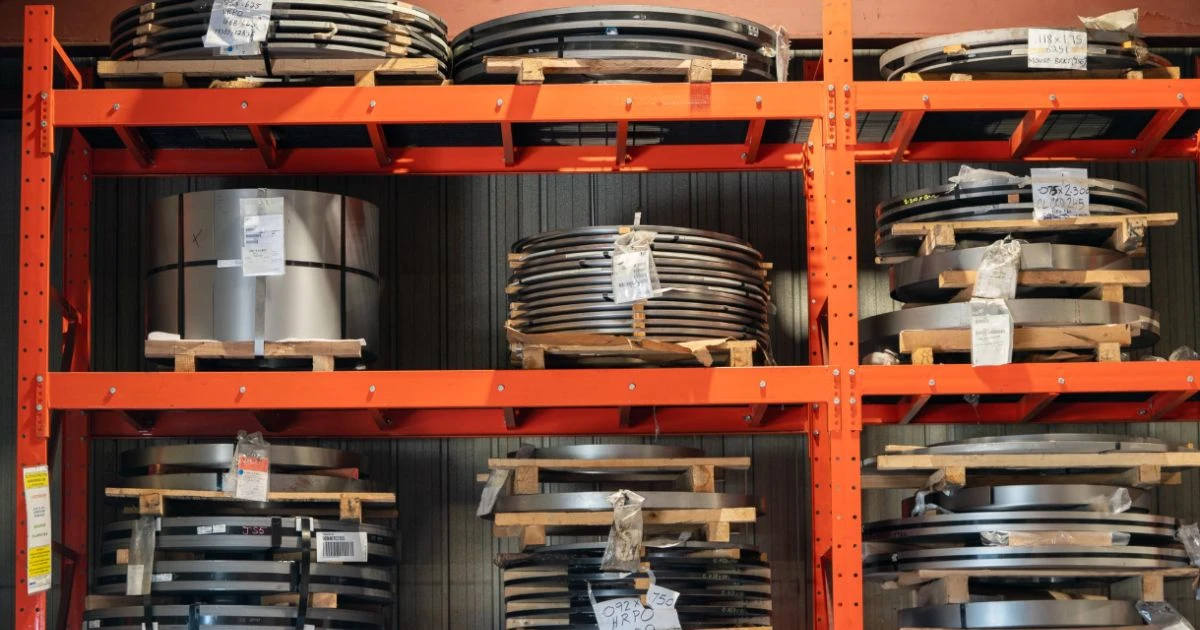
Material selection affects nearly every aspect of a metal stamping project, from the way a component behaves during forming to its durability in service. The right choice depends on the part's intended function, operating environment, and performance requirements.
Globe Stamping works with several materials: steel, stainless steel, aluminum, copper and copper alloys, brass, nickel and nickel alloys, and titanium.
Each offers different characteristics. Galvanized steel has a zinc coating that helps protect against corrosion, while aluminum can be useful when reducing component weight is a priority. Stainless steel offers corrosion resistance for applications where exposure to moisture or other environmental conditions is a concern. Cold-rolled steel may be appropriate when surface consistency and dimensional control are important.
Thickness is another consideration because it affects how the metal responds to cutting and forming operations. The material must work with the component's design and the tooling used to produce it.
Our capabilities include stamping materials ranging from 0.015 inches to 0.312 inches thick, with material widths from 0.5 inches to 25 inches. These ranges accommodate a variety of light metal stamping applications.
Making the material decision early helps ensure that tooling and production planning account for the metal's properties from the outset.
Custom Tooling Turns a Design into a Manufacturable Part
Once the specifications and material have been established, the focus shifts to tooling. The stamping die is a critical part of the process because its design determines how the metal will be cut, pierced, and formed.
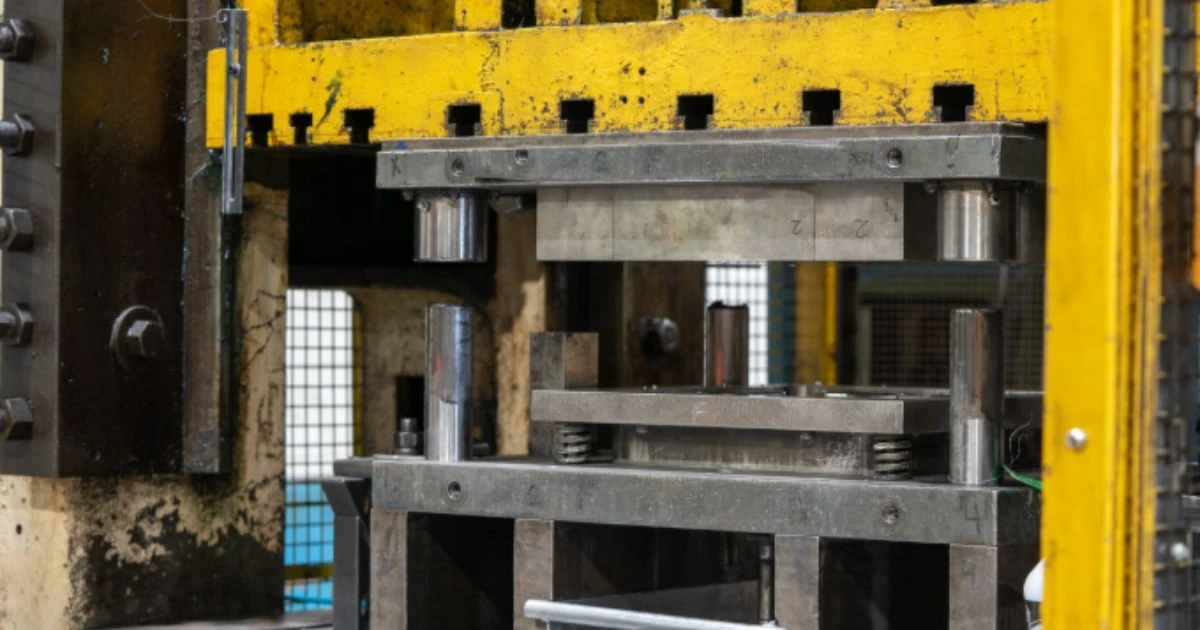
A die contains precisely engineered components that work together inside the press. Depending on the part, these may include punches, cutting edges, and forming surfaces that create the required shape and features.
Tooling must account for the component's geometry, material thickness, hole locations, bends, and production requirements. Clearances and other design details also need to be considered. If the tooling does not account for these factors, the finished parts may not meet the required dimensions or perform as intended.
At Globe Stamping, we have licensed toolmakers on staff who design, build, and maintain all our custom stamping tools. By managing tooling in-house, our team can coordinate tool development alongside the needs of the production process.
The best approach depends on the condition of the tooling, the component specifications, and the customer's production requirements.
Well-designed tooling does more than produce an acceptable prototype; it helps establish a repeatable process capable of delivering consistent components throughout a production run, allowing you to receive the right volume of parts, whether the project is big or small.
Preparing the Press for Production
With the tooling ready, the next task is preparing the stamping press. This involves installing and securing the die, configuring the equipment, and arranging the material feed.
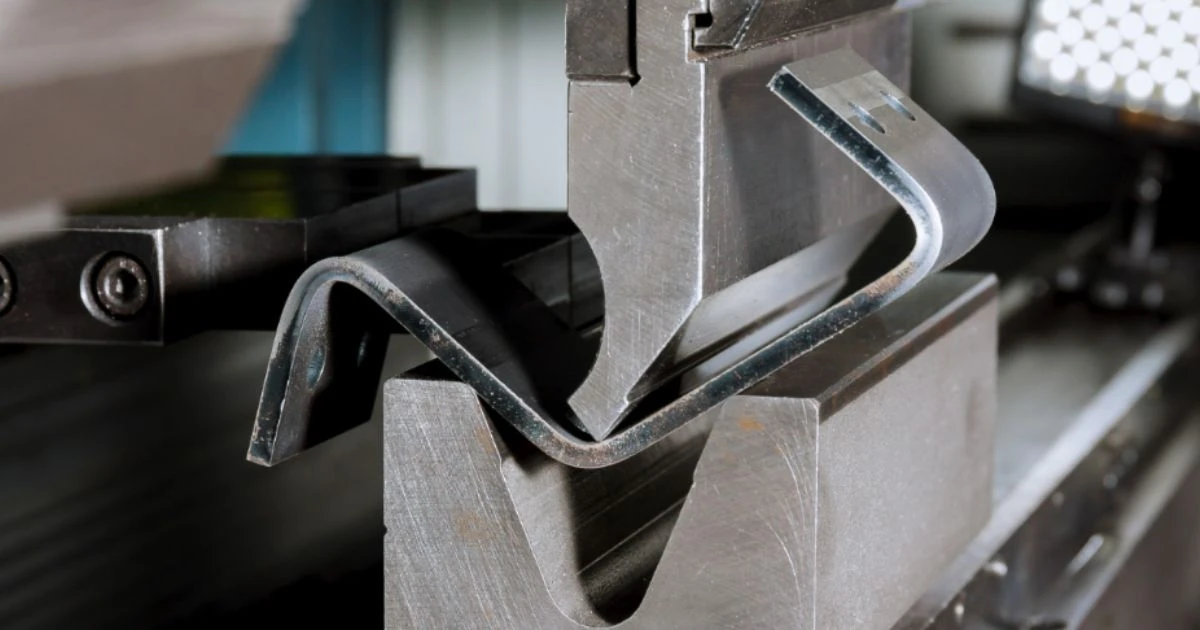
The press applies controlled force to the metal through the tooling. Depending on the component design, the required operations may include blanking, piercing, cutting, and forming.
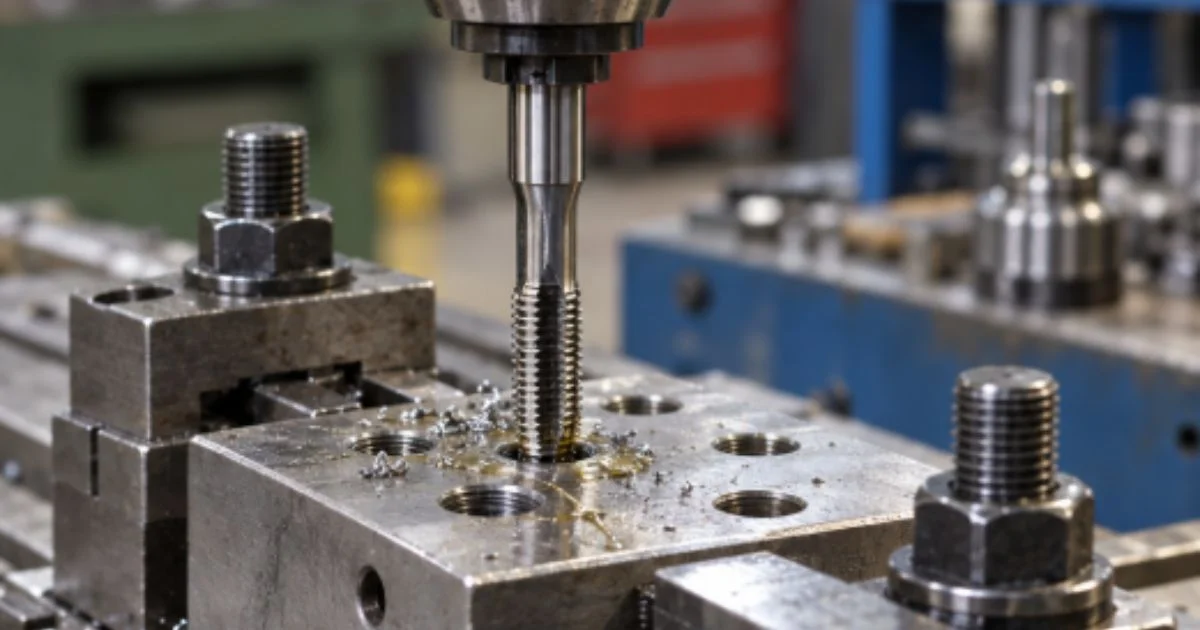
Blanking cuts the overall profile of a component from the metal. Piercing creates holes or slots, while forming changes the material shape through bends, curves, or other features. Some dies combine several operations, allowing a component to progress through multiple stages of production within a single tool.
Globe Stamping operates mechanical presses ranging from 35 to 200 tons. Our capabilities include stamping directly from metal coils as well as using hand-feed presses for applications that require a different setup.
The appropriate equipment depends on the part, material, and tooling requirements. Before a full production run begins, the setup must be checked to confirm that the press and die are operating as intended. This helps identify potential problems before they affect larger quantities of components.
How the Stamping Press Shapes the Metal
Once the press is ready, production can begin. Metal enters the die from a coil or through a hand-fed arrangement, depending on the manufacturing method.
As the press cycles, the tooling applies force to the material. Cutting edges separate sections of metal, punches create openings, and forming surfaces produce the required bends and shapes. Each press cycle follows the operations established by the die's design.
In coil-fed production, the metal advances through the tooling as the press cycles. With a progressive die, different operations take place at successive stations. The strip gradually develops the required features until the finished component is separated from the remaining material.
This approach can be particularly effective for producing repeatable parts in medium or high volumes. Instead of manufacturing every feature in a separate fabrication step, the tooling combines operations into an organized production sequence.
However, production speed is only one consideration. The process must also maintain the dimensions, features, and consistency required by the customer's specifications.
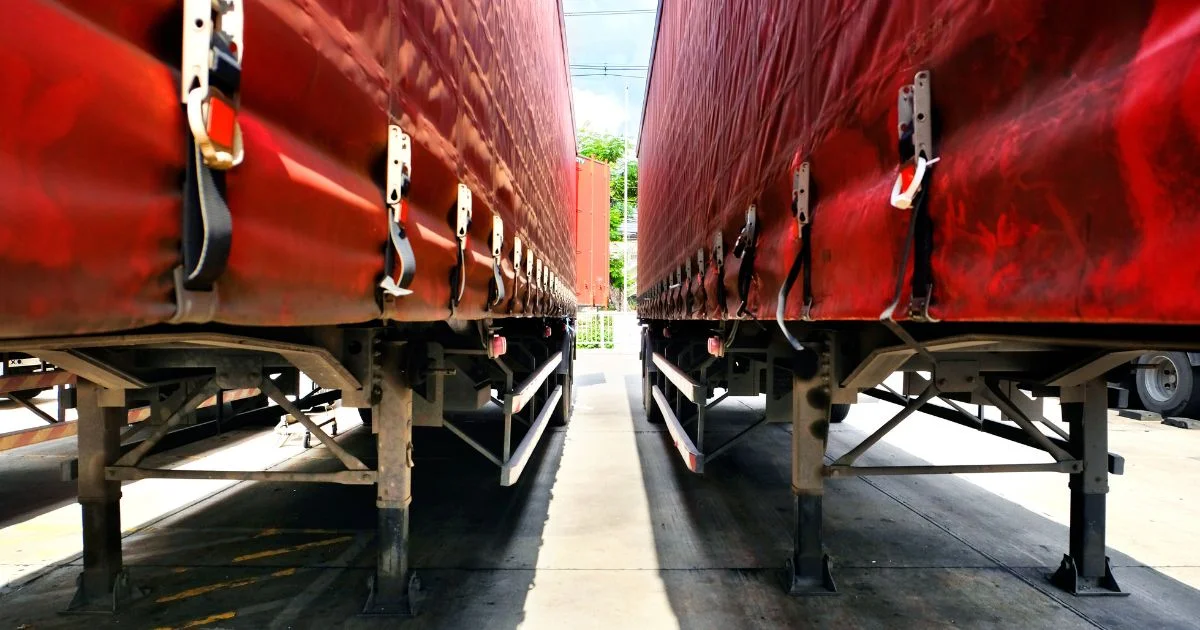
Globe Stamping supports manufacturers in industries including trucking, construction, furniture, appliances, and communications. These sectors use stamped components for different purposes, so the production method must reflect the part's specific requirements rather than rely on a one-size-fits-all approach.
Applying Finishes for Protection and Performance
Some stamped components require additional surface treatments to meet their appearance, durability, or corrosion-resistance requirements. The appropriate finish depends on the material, the component's intended use, and the conditions it will encounter.
Painting can provide a specified colour and an additional protective layer. Plating applies a metal coating to the surface, while e-coating uses an electrically assisted process to apply a coating to conductive components.
These finishes serve different purposes, so selecting the right option requires an understanding of the part's requirements. A component exposed to moisture, for example, may need a different protective treatment than one primarily selected for its appearance. Our team works with finishing specialists to coordinate painting, plating, and e-coating according to project specifications. Managing these requirements as part of the overall manufacturing process helps customers coordinate the work needed to receive completed parts.
Final Inspection, Packing and Delivery
Once stamping, assembly, and finishing are complete, the components need to be checked and prepared for shipment. Final inspection helps confirm that the required operations have been completed and that the finished parts meet the customer's specifications.
Packing is also important. Components must be protected during handling and transportation, with packaging appropriate for the parts being shipped. Clear organization helps customers receive their orders in a condition suitable for their own production or assembly processes.
Discuss Your Metal Stamping Requirements with Globe Stamping
Whether you need a straightforward stamped component or a part that requires additional fabrication, assembly, and finishing, understanding the manufacturing process is a useful starting point. The right approach depends on the component's function, material, production volume, and specifications.
Globe Stamping works with manufacturers to determine how our tooling, stamping, assembly, and finishing capabilities can support their projects. Contact our team to discuss your metal stamping requirements and explore a manufacturing approach tailored to your components.