Choosing the Right Metal for Your Stamping Project
It's not always easy to know what material you need for custom metal stamping, but choosing the right one is essential for achieving the best possible performance, durability, and cost-efficiency. Different applications will require materials with varying properties, and being able to discern these properties is crucial to the success of your project.
But what if you’re not clear on the best materials for your desired outcome? Luckily, when you work with an experienced custom metal stamping company, you get the opportunity to make use of the expertise of tradespeople who have been in the business for a long time. Utilizing this knowledge not only points you in the right direction, but it prevents you from making costly mistakes.
In this blog, the professionals at Globe Stamping will give you insight into choosing the right material for your custom stamping project, as well as the services we provide to make the entire process seamless, regardless of budget.
We'll explore different applications that require specific material properties and how a good understanding of these properties can ensure maximum success for your project. This includes factors such as material strength, formability, environmental resistance, and overall cost. No matter the size or complexity of your metal stamping project, these insights will help you make informed decisions and achieve optimal results.
Let’s get right into it:
Choosing the Right Custom Metal Stamping Solution
When it comes to choosing the right metal for your custom metal stamping project, it's vital to understand the key factors that affect its function. However you choose to use these stamped metal components, it's important to consider their use before making any major decisions.
Are these parts being used in an automotive application? Aerospace, consumer goods, or other industries? These are important considerations, as each application has specific requirements ranging from the ability to withstand extreme temperatures to resistance to long-term corrosion.
This is why it's essential to work with an experienced supplier who can help narrow down material options for you, ensuring that these custom metal parts meet the functional requirements without causing structural issues or internal delays due to product failure.
Matching material properties to your application's needs helps maximize performance, maintain reliability, and optimize production costs.
Matching Material Strength to Your Application
It's extremely important to consider the strength of the material when it comes to custom metal stamping, especially for parts that are subject to mechanical stress. For lighter applications, softer metals are perfectly acceptable. However, for more demanding projects, you'll need higher-strength materials, such as titanium, to ensure the parts last well into the long term.
When selecting materials, it’s important to evaluate factors such as tensile strength, yield strength, and fatigue resistance. Choosing a metal that can handle the demands of its intended application helps create a more durable final product while minimizing the risk of premature failure or costly replacements.
But what materials are generally used/supplied by custom metal stamping companies, and what perks do they provide?
Steel: This material is strong, cost-friendly, and very versatile. It’s often used in automotive, construction, and lightweight applications.
Stainless Steel: Strong, corrosion-resistant, and easy to maintain, stainless steel is commonly used in food, medical, construction, automotive, and industrial applications.
Aluminum: Both lightweight and corrosion-resistant, aluminum is often used in the automotive and aerospace industries.
Copper & Copper Alloys: These materials are easy to form and are highly conductive, making them perfect for electrical, medical, and food applications.
Brass: This metal is relatively durable and conductive, also often used in electronics and components.
Nickel & Nickel Alloys: Nickel and related alloy materials are heat- and corrosion-resistant, making them ideal for harsh applications.
Titanium: Titanium is a strong, reliable, and corrosion-resistant material that is highly valuable in the medical and aerospace industries.
Having a formal discussion with a skilled custom metal stamping professional will help you determine what material will work for your personal needs.
Finding the Right Balance of Strength and Flexibility
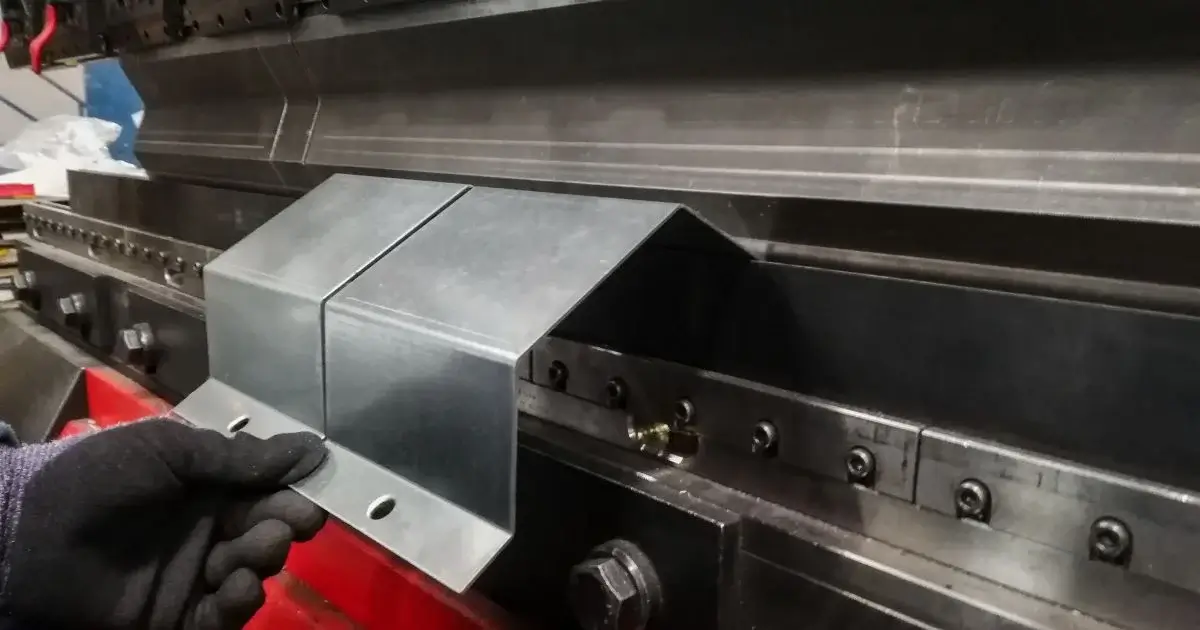
It's important to consider formability, which refers to a material's ability to be shaped without breaking under pressure. Some materials, including copper and aluminum, are particularly suitable for intricate custom stamping projects, whereas others, such as highly durable steels, may require additional processing and adjustments to ensure successful stamping.
This isn't just about manufacturing an ideal design; it's also about choosing a metal material that strikes the proper balance between durability and formability for the sake of efficiency and accuracy. Otherwise, you could run into some seriously costly issues down the road.
Choosing Materials Built to Resist Corrosion
The functionality of the parts isn't the only consideration; you also have to consider their longevity and ability to withstand mechanical strain and the elements. Without this, custom-stamped parts can fail, causing serious issues in the production process.
When you need parts exposed to harsh environments, corrosive chemicals, and even moisture, you have to choose the right metal to ensure they can withstand the demands of the application. For example, stainless steel and aluminum are great choices when you need a part that resists rust and corrosion, making them well-suited for outdoor applications or industries exposed to water. Other materials may not be the proper fit, which is why it’s absolutely critical to connect with a metal stamping professional ahead of time.
Coatings and surface treatments can improve a metal’s corrosion resistance, but selecting a naturally corrosion-resistant material can streamline production and minimize ongoing maintenance. Prioritizing corrosion resistance from the beginning helps create parts that deliver greater durability, reliability, and long-term performance.
Understanding the Cost Impact of Material Selection
Every business needs to consider the cost of materials, whether it’s a small, mid-sized, or large company. This also affects the types of materials used in custom metal stamping. Plenty of higher-cost materials, such as titanium or steel, provide reliable durability but cost more than some other materials, such as aluminum or carbon steel, which can help save on budget. However, it's also essential to consider that paying a higher cost upfront can help prevent costly issues in the future. Investing in higher-quality materials from the beginning can reduce potential risks, minimize maintenance needs, and avoid expensive setbacks down the road.
Again, this is why it’s especially important to connect with custom metal stamping professionals. Globe Stamping is an industrial manufacturer that works alongside you to create your ideal custom metal stamping project. Our team is there every step of the way, from tool design and build, metal stamping, and final assembly and finishing. Our skilled team can also provide you with the knowledge required to make sure your project is completed on time and within your budget.
We are located in Ontario, Canada, and have built a strong reputation for providing custom stamping solutions throughout the province. Our cost-effective shipping options allow us to serve customers across Canada and the Eastern United States. For US-based clients, we handle all necessary cross-border documentation and logistics to ensure your products arrive safely and efficiently at your door.
Working with skilled and empathetic professionals can help ensure you balance material costs with performance needs, supporting your projects in the future without breaking the bank.
Optimizing Material Choices for Production Efficiency
Just like how you must consider material and budget, you have to consider your production volume as well. After all, the volume of your production needs is also going to influence your choice of materials. Higher-volume projects will benefit from more readily available materials while maintaining cost-effectiveness. However, for smaller production with more niche requirements, higher-cost materials can be beneficial. Evidently, it’s going to largely be determined by your production needs, but it’s still especially important to consider.
Production delays can be costly, but it’s also essential to consider that working with more “difficult” material can push back your deadlines. This is why reviewing materials, deadlines, budgets, etc., has to be done between the supplier and the customer. No one benefits from going into a custom metal stamping project feeling unsure. Working together with mutual understanding comes with the best results.
Why Globe Stamping is the Top-Notch Choice in North America
Globe Stamping is one of the leading custom metal stamping companies in the country. Our business has been in operation for more than 100 years, with excellence and long-term expertise being the core of our personal values.
The business is privately owned and operated, with an incredible team of employees who have been supporting the foundation for decades. This means you can trust that we have the knowledge to not only match you with the right materials for your project, but to handle the design from start to finish.
Don't hesitate on your next custom metal stamping project, and contact us today!