
5 Signs Your Metal Stamping Tooling May Need to Be Replaced or Updated
When a metal stamping tool starts causing problems, the first sign isn't always a broken punch or a damaged die. It might be a mounting hole that no longer lines up during assembly, a burr that requires additional finishing, or a production run that keeps stopping for adjustments.
Individually, these problems may seem manageable. However, when they become recurring issues, manufacturers can end up paying for the same tooling problem through additional labour, rejected parts, delayed shipments, and repeated repairs.
At Globe Stamping, our in-house tooling capabilities include designing, building, and maintaining tools for custom metal stamped parts. We can also work with existing customer tooling when it is suitable for our presses and the project requirements.
Today, we'll walk through five signs that your metal stamping tooling may need attention, what those signs can mean, and how to determine whether maintenance, an update, or replacement makes the most sense.
1. Burrs and Surface Defects Keep Coming Back
A stamped part doesn't have to look dramatically different to create a problem. A raised edge around a pierced hole can interfere with a fastener, while a rough-cut edge can require additional deburring before the component is ready for assembly.
Some burr formation is normal in cutting operations. The concern is whether burrs are growing, exceeding the part requirements, or returning unusually quickly after the tooling has been serviced.
As cutting edges wear, the tool's ability to separate the metal cleanly can change. Chipped edges, unsuitable punch-to-die clearance, and alignment problems can also contribute to poor edge quality. Clearance refers to the gap between the punch and the die opening; it must suit the material and the cutting operation.
This is why simply sharpening a punch doesn't always solve the underlying problem. If the clearance is unsuitable for the material, a newly sharpened component may still wear prematurely.
Surface marks deserve attention, too. Galling occurs when material transfers onto the working surface of the tool. That buildup can contribute to scoring and inconsistent surface quality as additional parts move through the die.
A tooling review should consider the affected features, cutting edges, lubrication, and material specifications. Replacing a worn insert or improving a tool surface may be sufficient. However, if defects return shortly after each repair, the tooling needs a closer assessment before additional finishing becomes a permanent production expense.
2. Parts Are Becoming Less Consistent During Assembly
A bracket can appear acceptable coming off the press and still create problems when someone tries to install it. Perhaps its mounting holes don't consistently match the mating component, or its formed flange needs adjustment before it sits properly in an assembly fixture.
These are practical signs that dimensional consistency needs attention.
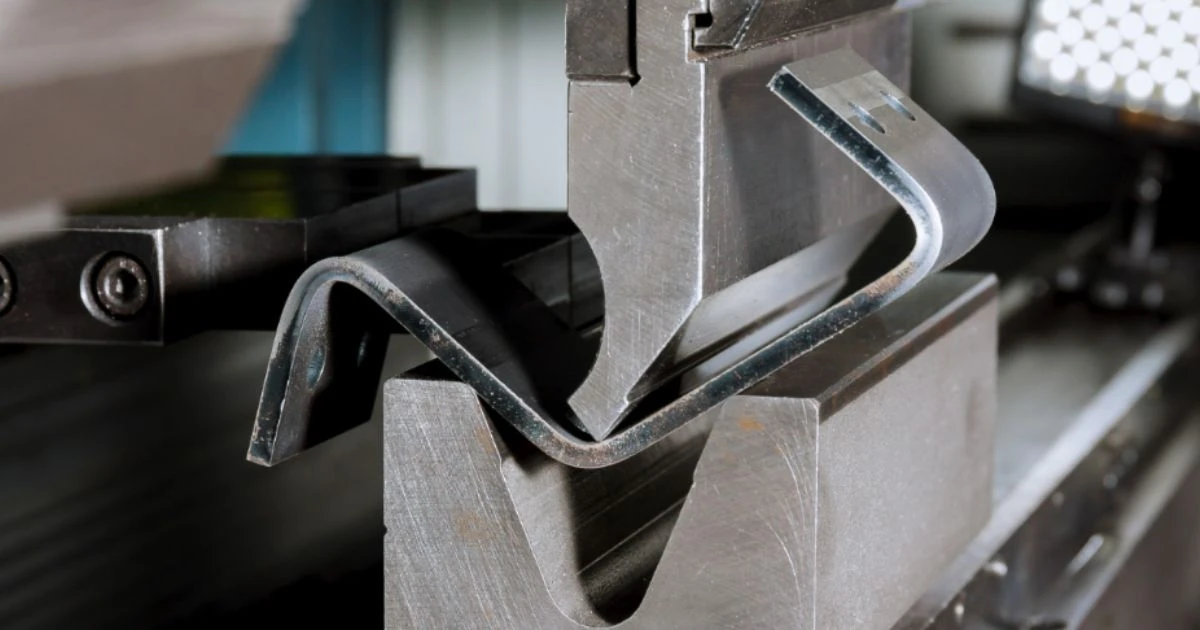
Stamping tooling controls the location and shape of the features being produced. Wear in forming surfaces, guide components, or locating features can affect that control. In a progressive die, where the strip passes through several stations, positioning problems can also affect how successive operations line up.
However, tooling is only one possible cause. Material thickness, mechanical properties, feed accuracy, and press setup can also influence the finished component. A change in bend angle, for example, may involve material springback rather than a damaged forming surface.
The useful question is whether inspection results show a repeatable pattern. Are the same dimensions moving towards their tolerance limits? Does variation increase as the run continues? Does a particular feature improve after maintenance, then begin drifting again?
Comparing those findings with material records and setup information helps identify where the problem starts.
If an individual guide or forming component is worn, replacing it may restore consistency. If the die can no longer reliably hold the positions required by the drawing, more extensive rebuilding or replacement may be justified. Correcting the cause helps prevent assembly workers from repeatedly compensating for inconsistent stamped parts.
3. The Same Tooling Repairs Are Interrupting Production
Every stamping tool requires maintenance. Cutting edges need servicing, components wear, and planned maintenance helps keep production dependable. A tool needing attention is not automatically a tool needing replacement.
The warning sign is a repair pattern that keeps shortening the time between interruptions.
For example, a punch might repeatedly chip in the same location. A forming insert might need frequent polishing. Slugs, the pieces removed during piercing, might begin jamming and interrupting production despite previous corrective work.
When the same failure returns, replacing the damaged component again may only restart the cycle.
The underlying cause could involve alignment, inadequate support, unsuitable tool material, lubrication, or cutting clearance. A tooling update may address that cause by changing a component's design, material, or working conditions.
Maintenance records help separate normal wear from recurring failure. Record what was repaired, how many parts were produced before the next intervention, and whether the same station was involved. Comparing repair intervals by production count is more useful than simply noting that a tool was serviced several times in a year.
The cost also extends beyond the repair invoice; an unexpected stop can involve unloading the tool, troubleshooting, obtaining replacement components, reinstalling it, and checking parts before production resumes.
If those interruptions keep disrupting customer orders, the decision should consider production reliability alongside the cost of another repair. A tool that can be repaired is not necessarily economical to keep repairing indefinitely.
4. Scrap, Sorting and Rework Are Becoming Part of Every Order
Sometimes a tooling problem is hidden by the work happening after stamping. The press continues producing parts, but employees spend additional time separating acceptable components from rejects, removing burrs, or correcting features before assembly.
The order gets completed, so the process can appear to be working. However, the cost of producing usable parts has changed.
Consider an illustrative run of 10,000 components. If the reject rate rises from 1% to 4%, that means 300 additional rejected parts. Those rejects consume material and press time, and the order may require additional production to deliver the agreed quantity.
If employees must also sort the entire batch, the labour cost applies to more than the rejected components.
This is where manufacturers should distinguish between expected finishing and corrective work. Painting or plating may be part of the original specification. Repeatedly correcting a distorted flange or removing excessive burrs because tooling performance has deteriorated is a different expense.
Tracking scrap by defect type can help reveal the source. A rising number of parts with the same damaged hole, surface mark, or incorrect bend gives the tooling review a specific starting point.
The decision should compare the cost of the proposed repair or update with the recurring cost of scrap, inspection, rework, and lost capacity. A targeted modification may provide better value than continuing to absorb those costs into every production order.
5. The Tooling No Longer Matches the Part or Production Requirements
Tooling can be in reasonable physical condition and still need updating. The issue may be that the job has changed since the tool was designed.
Perhaps a customer has revised the hole pattern, specified a different material, or increased the required production volume. A component originally ordered in smaller batches might now be needed regularly in much larger quantities.
Those changes can affect whether the original tooling remains appropriate.
A change in material thickness or strength can alter cutting forces, clearance requirements, and forming behaviour. A new hole location may require more than adding another punch, particularly if it affects nearby features or the progression through the die.
Higher demand can also expose handling costs that were manageable at lower volumes. Moving each component between separate operations may become a significant labour requirement as order quantities increase.
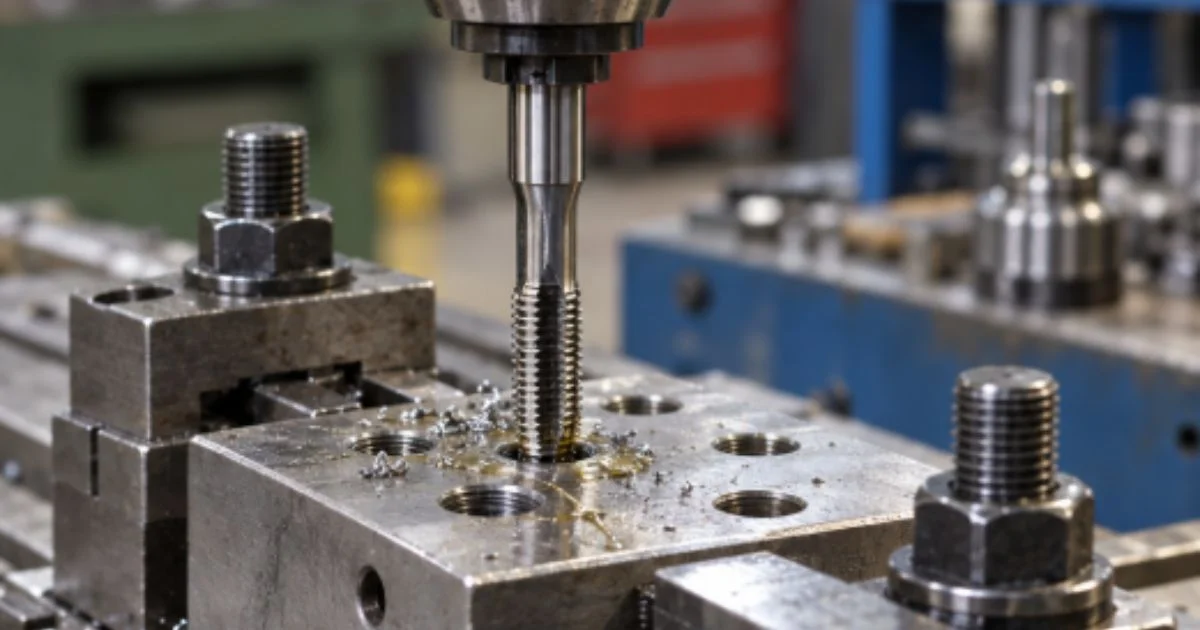
For suitable parts, revised tooling could combine operations within a progressive die. In-die tapping, for example, may allow threading to take place during the stamping sequence instead of at a separate station. Whether that investment makes sense depends on the material, geometry, thread requirements, and anticipated production life.
The goal is to assess the tooling against the current drawing and production needs. Modifying an existing tool may be practical when the changes are limited. When the revised requirements exceed what the original design can reasonably support, new tooling may offer a more dependable production route.
Review the Tooling Before the Next Production Problem
Replacing an entire die isn't the answer to every burr, rejected part, or production interruption. The right decision starts with understanding the cause and determining how much useful service the existing tooling can still provide.
Globe Stamping is comprised of the industry's best professionals; licensed toolmakers build and maintain tooling in-house, connecting tool design with the requirements of the stamping process. Together, we can discuss your existing tooling and the practical next steps for producing your custom metal stamped parts.
Contact Globe Stamping today and let us help guide you through your next project.