
How We Optimize Stamping Designs to Lower Production Costs
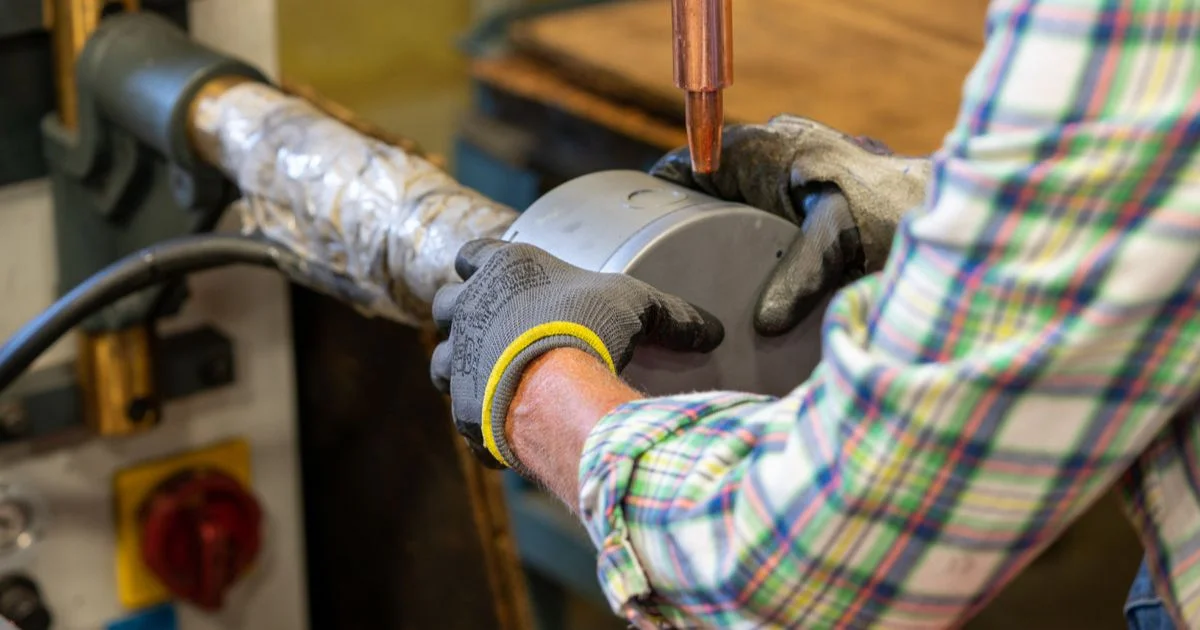
In metal stamping, cost savings aren’t typically achieved through a single dramatic fix. Rather, it’s how the business operates and manages its processes that save money in the long run. It’s small but meaningful decisions that impact the final design from start to finish. At Globe Stamping, we approach every custom stamping project with manufacturability, efficiency, and long-term production stability in mind from concept to final design.
The key is having a properly optimized stamping design that not only reduces material waste but also improves cycle times, extends tool life, reduces the need for secondary operations, lowers downtime, and improves part consistency across high-volume production runs. By considering all these factors during the design phase, custom metal stamping specialists can reduce total production costs without compromising quality.
When you choose Globe Stamping as your custom metal stamping provider, you can trust that our team will work alongside you throughout the design and tooling process to identify opportunities to maximize efficiency well before production begins. By combining engineering expertise, tooling knowledge, and practical production experience, we help customers develop solutions that are both cost-effective and highly repeatable.
Starting With Design for Manufacturability (DFM)
One of the most effective ways to reduce production costs is to focus on design for manufacturability (DFM) at the earliest stages of a project. There are too many unnecessary production expenses that originate from part designs that, while technically possible, are effectively inefficient to stamp at scale and cost more overall.
The engineering team at Globe Stamping carefully evaluates every custom stamping design with expertise. They examine how the part will move through tooling; how the material behaves during the forming process; and how the design impacts the pressing speed, scrap rates, and long-term tooling wear.
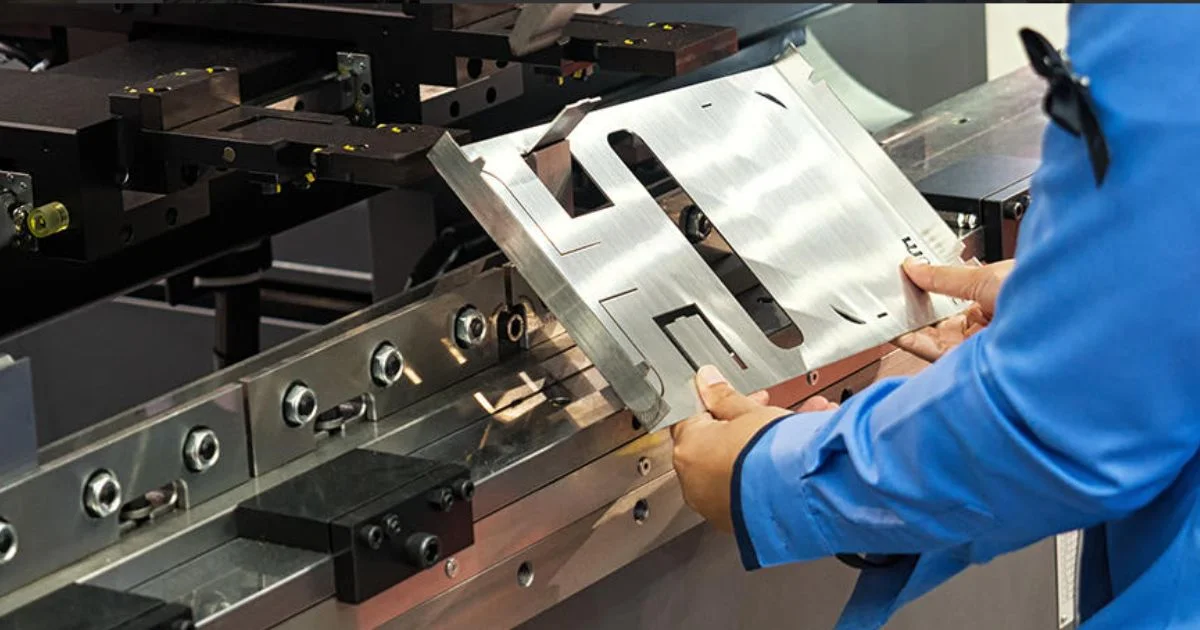
Small modifications can actually yield significant cost savings. By simplifying bends, refining tolerances, modifying hole placement, and reducing unnecessary features, the need for complex tooling can be reduced while maximizing efficiency.
For example, a part with overly tight tolerances may require a slower press speed or additional inspections to ensure quality. Similarly, sharp corners and aggressive forming angles can increase the likelihood of cracking, tool wear, and overall defects in the final product.
By identifying these issues early, we can recommend design improvements that make production faster, more stable, and more economical.
DFM also helps reduce costly revisions later in the process. Discovering design problems after tooling has already been built often leads to delays, rework, and additional tooling expenses. Early collaboration between engineering and manufacturing teams helps prevent those issues before they impact production timelines.
Optimizing Material Utilization
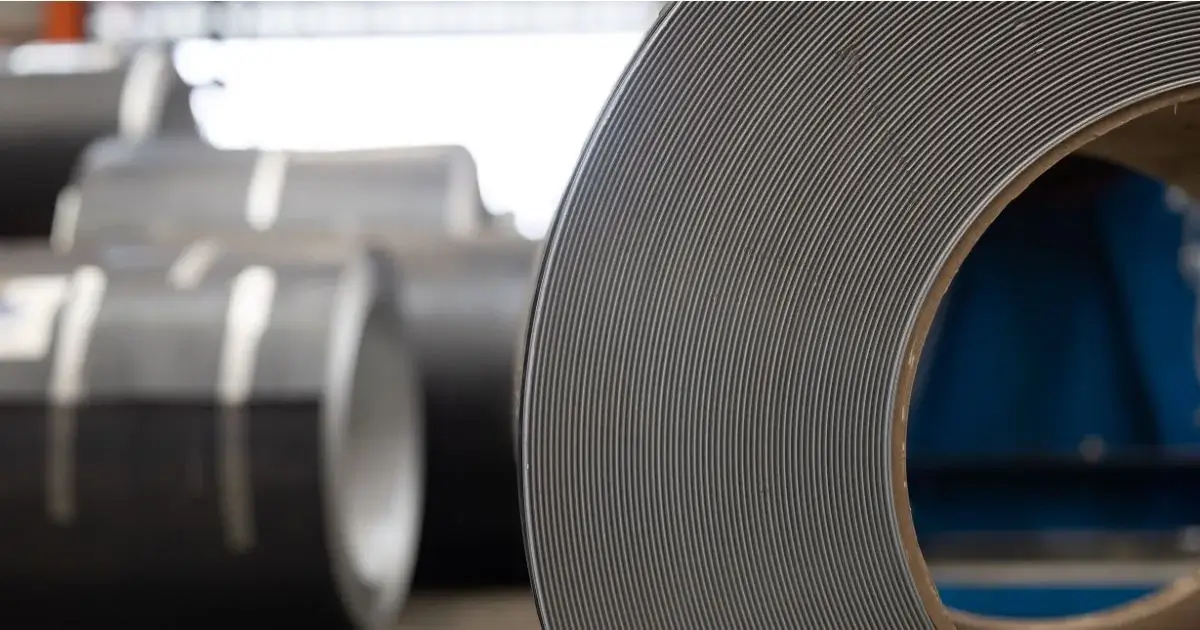
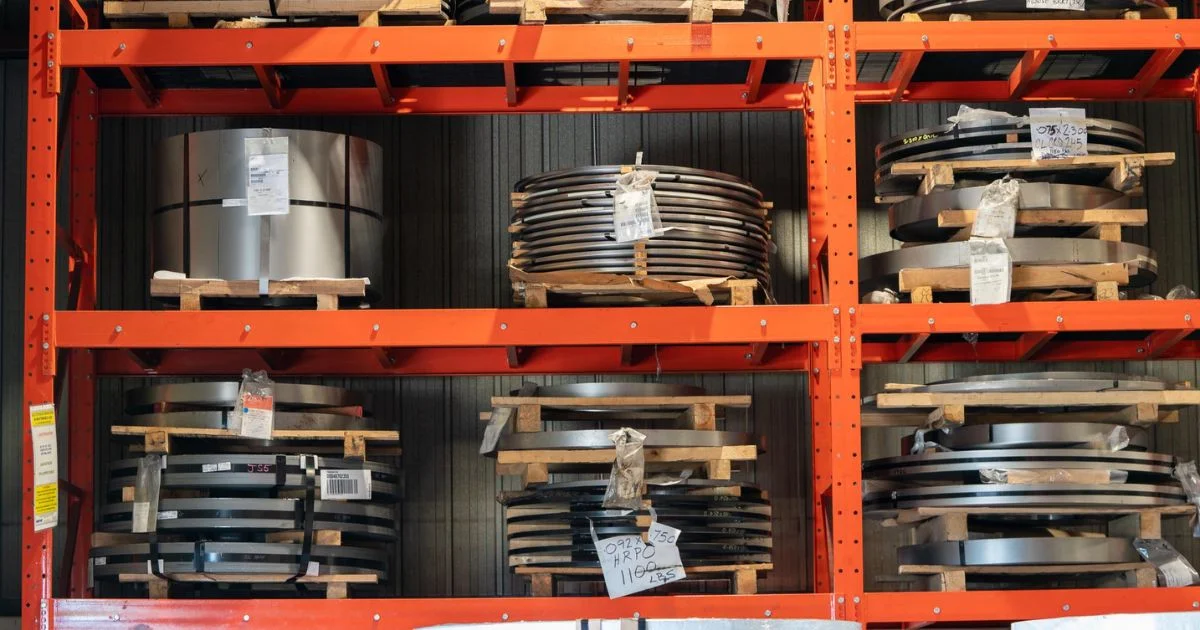
The cost of materials is high when considering overall expenses, especially in high-volume projects. By improving material utilization, you can directly reduce production costs. When working with Globe Stamping, however, you can trust that we’ll optimize strip layouts and part nesting to maximize the number of usable parts produced from each coil or sheet. Developing an efficient strip design can significantly reduce scrap while maintaining material flow throughout the stamping process.
Our team also considers the project's material requirements; selecting a material that exceeds the component's required performance can increase production costs. Our team works alongside customers to find the best material grade, thickness, and finish based on their needs and functional requirements. Different metals will respond differently during the forming process and during bending and piercing operations. Understanding how material reacts under production conditions gives our team an edge during the design, tooling, and production processes, reducing the likelihood of defects and improving consistency, thereby reducing waste.
By combining intelligent strip layout design with practical material selection, we help customers improve yield rates and reduce unnecessary raw material costs.
Improving Production Speed and Efficiency
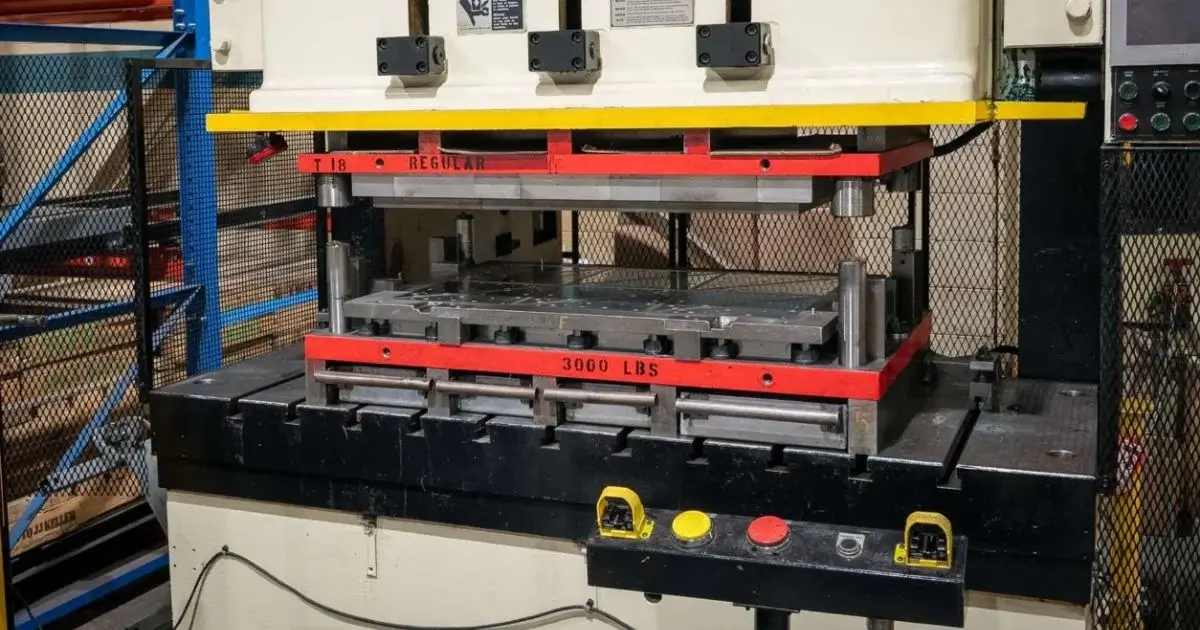
To optimize efficient stamping production, you have to consider more than just pressing capacity; you also need to account for the part's overall design and tooling. Both of which impact cycle times and production stability. At Globe Stamping, we carefully evaluate how every element of a design impacts production flow. Utilizing simplified geometrics, balancing forming sequences, and optimizing strip advancement all contribute to a smooth operation with high production speeds. Progressive die stamping is particularly effective during high-volume applications because multiple operations can be completed within a single, ongoing process.
Piercing, bending, embossing, and forming operations can all occur during sequential stages of the same press cycle. However, achieving high-speed production requires incredibly careful and skilled engineering; poorly balanced tooling forces, unstable strip movement, and other issues can lead to jams and premature tool wear. Our team focuses on maintaining consistent strip progression and balanced forming loads.
Automation compatibility is another important consideration. Designs that integrate well with automated feeding, inspection, and handling systems help reduce labour requirements while improving consistency and throughput.
The result is a more stable production environment capable of consistently producing high-quality stamped parts efficiently.
Minimizing Secondary Operations
Secondary operations can add substantial costs to a custom metal stamping project. Additional machining, welding, deburring, or finishing processes can significantly increase labour costs while also extending production timelines. Our team is always looking for ways to incorporate features directly into the stamping process. I.e., adding a formed feature directly during stamping eliminates the need for additional assembly work. Also, designing cleaner cuts can help minimize deburring requirements. By reducing secondary operations, you can not only lower production costs but also improve overall process consistency, resulting in better final products.
Every additional handling step introduces potential variability, alignment issues, or damage risks. Consolidating operations within the stamping process simplifies manufacturing workflows and helps improve repeatability across large production runs.
Collaborative Engineering Creates Better Results
Optimizing stamping costs depends heavily on clear, concise communication and collaboration. The earlier you incorporate manufacturing expertise into the design process, the greater the opportunity to minimize costs and improve overall efficiency. The team at Globe Stamping will work directly with customers to review designs, discuss production goals, and identify opportunities for improvement before tooling is even finalized. Using a collaborative approach helps avoid unfortunate surprises later down the line. Every project has its unique challenges, meaning there’s really no one-size-fits-all solution. That’s why practical experience and engineering analysis help to inform decisions that will support product performance and long-term cost control.
Whether the goal is reducing material waste, simplifying tooling, improving production speed, or minimizing secondary operations, optimization starts with understanding the complete manufacturing picture from the very start.
Building Cost-Effective Stamping Solutions
At Globe Stamping, optimizing stamping solutions is about creating smarter manufacturing processes from the ground up. Through expert engineering techniques and collaborative project development, we help our customers reduce production costs while maintaining high quality.
Every decision made during the design phase has the potential to impact production efficiency, material usage, tooling life, and long-term manufacturing stability. By focusing on these factors early, manufacturers can avoid unnecessary expenses and achieve stronger overall production performance.
Custom stamping projects are most successful when design, tooling, and manufacturing strategies work together from the very beginning. That integrated approach allows us to deliver reliable, scalable, and cost-effective stamping solutions tailored to each customer’s specific production requirements.
Globe Stamping: 100 Years of Excellence
Globe Stamping has over 100 years of custom metal stamping experience and comprises some of the industry's top-notch employees, many of whom have been working with us for decades. Our goal is to always put our customers first, going above and beyond to create quality products while offering significant cost savings.
When you choose Globe Stamping, you’re choosing a company dedicated to offering you the best quality while keeping your budget in mind – no hidden costs, no surprise invoices. You’ll know precisely what you’re getting into before the project begins.
Contact our expert team today.